
Trauma & Stressor-Related Disorders

Trauma & Stressor-Related Disorders

At DSC, we never assume that everyone who has lived through a traumatic event automatically has PTSD. We conduct a precise differential assessment according to DSM-5-TR and ICD-11/CDDR that distinguishes a normal crisis reaction, acute stress disorder in the first weeks, post-traumatic stress disorder with its symptom clusters — intrusion, avoidance, negative alterations in cognition and mood, and hyperarousal — and complex PTSD arising from repeated or prolonged trauma such as chronic childhood abuse or neglect.

We also distinguish trauma symptoms from anxiety, depressive, dissociative, and adjustment disorders that can resemble them.

From this comprehensive diagnostic profile, we build a treatment plan that prioritizes safety and gradual pacing first, then integrates trauma-focused cognitive behavioral therapy, Eye Movement Desensitization and Reprocessing (EMDR), and prolonged exposure when indicated.

Family education helps create a safe environment that supports recovery. Progress is measured through the restoration of safety, trust, and the ability to return to life and relationships without the past continuing to control the present.

DSC User Journey

From the First Question to Continuous Growth

Entry Gateway: Choose the domain (Special Needs | Mental Health | Education | Innovation | Institutional) → then choose the case/service → Guided consultation → pathway recommendation

Special Needs • Mental Health • Education • Innovation • Institutional

A collaborative workplace mental health session.
01
Triage & Consultation
Understanding the problem, priority, risks, and best-fit serviceOutput: Track recommendation

Child engaged in a structured attention activity.
02
Multidimensional Assessment
Comprehensive measurement of strengths, needs, and contributing factorsOutput: Diagnostic file

Student receiving individualized learning support.
03
Report & Plan
Case formulation + measurable goals + prioritiesOutput: Individual plan

Speech and language development activity.
04
Intervention & Treatment
Therapeutic, rehabilitative, educational, and family sessions and programsOutput: Intervention program
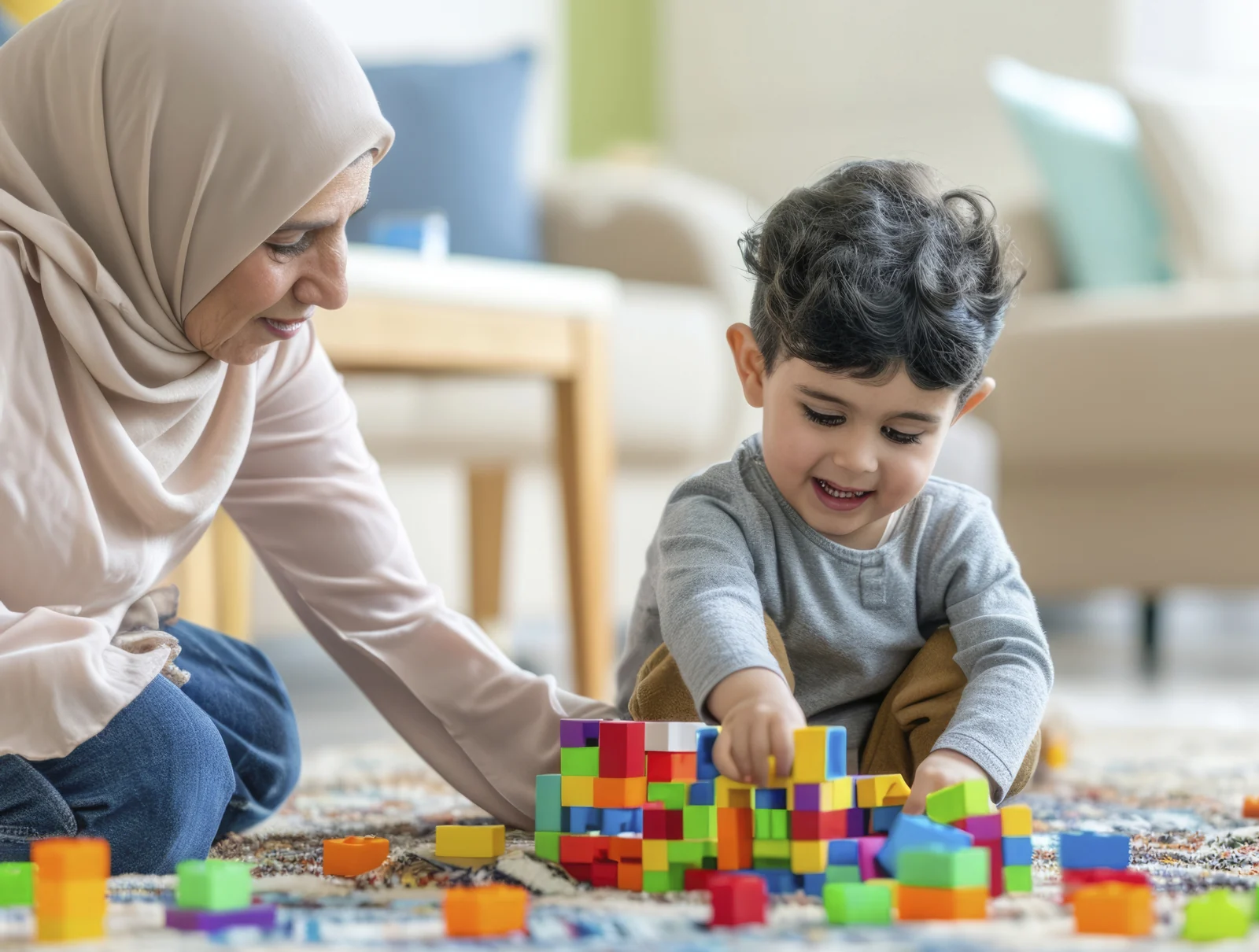
Child taking part in a supported learning activity.
05
Outcome Measurement
Reassessment, progress indicators, plan adjustment or escalationOutput: Progress report
Learners developing ideas through a creative activity.
06
Continuous Development
Independence, learning, communication, performance, talent, quality of lifeOutput: Growth plan ∞

Suggested Packages

Diagnostic Clarity Package
Consultation + multidimensional assessment + report and planFor those who want to understand the case and make an informed decision
Focused Intervention Package
Plan + a set number of sessions + family trainingTo achieve specific therapeutic/educational goals
Integrated Care Package
Diagnosis + plan + intervention + follow-up and outcome measurementThe highest-value track for complex cases
Continuous Growth Membership
Periodic follow-up + growth goals + ongoing skills trainingAfter stabilization: long-term growth

Start with understanding.

Choose a service, practitioner, date, and time in a few clear steps. No payment is required to request or reserve an appointment.